Urgent help: contact HelpWildlife – wildlife rescue directory as soon as possible. This advice is for birds in the family Corvidae. Usually the right first contact is wildlife rescue, bird rescue, wildlife rehabilitation centre or vet. Call first, so they can tell you what is best in your situation.
It is difficult to judge from the outside whether a bird needs help.
nestling, a newly hatched bird in its first downy plumage: a bird at this stage will not survive without help. Expert care is needed, so contact the right rescue organisation immediately. Keep the bird warm with hot-water bottles. If you do not have any, use plastic bottles filled with hot water. Cover them with a towel so they do not touch the bird directly and do not become too hot. Place the bird in a cardboard box and keep pets away. About 40 degrees Celsius is a good heat source.
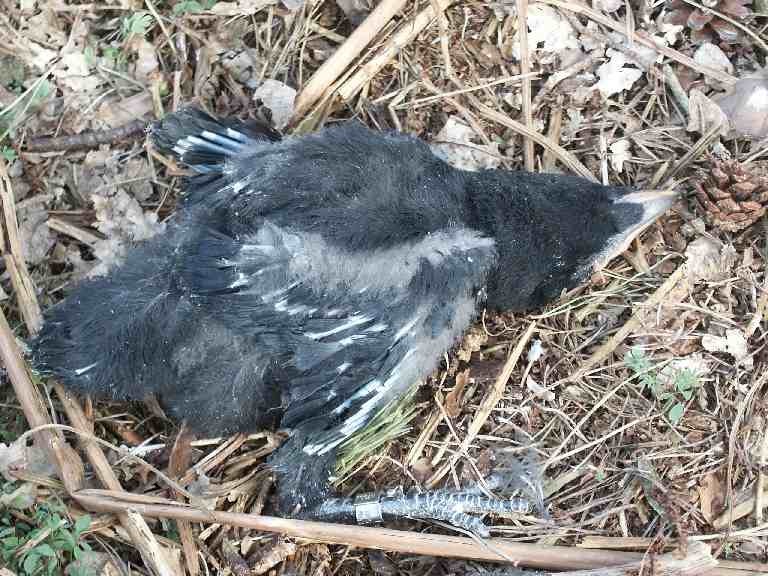
If the nest is still above you in the tree, something may have happened. A predator or a storm may have caused the young bird to fall out. Because these birds often build their nests high in trees, it is usually impossible to reach the nest safely. It is also possible that something is wrong with the bird and that it was pushed out of the nest. In very hot weather, a young bird may also panic and fall.
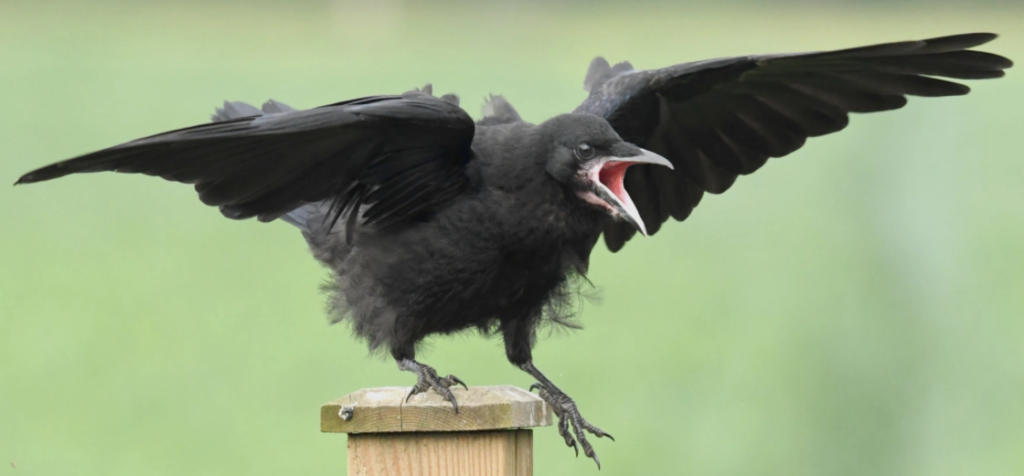
fledgling, a young bird that is leaving the nest but is still fed by its parents: at this stage the parents are often still nearby. Of course, you cannot know that for sure. If an adult bird starts calling while you are there, that can be a sign that the parents are still present. Contact the nearest rescue organisation to ask what is sensible in your specific case.
Special rule for rook. young rook: do not simply put it back on the ground. rooks do not feed young that cannot fly on the ground. If the young bird is alert, you can try to put it back on a branch a few metres above the ground, for example with a ladder or from a nearby balcony.
If that is not possible, you can try to let the bird sit on a broom or sturdy branch and lift it as high as you can reach. The higher, the better. If you succeed, leave immediately and watch from a long distance. If you see an adult bird of the same species come to the young bird, you have probably managed to save it. It can take an hour before everything becomes calm again, so do not assume immediately that you failed if nothing happens at first.
rook parents may not trust people. They may wait until you are gone before they dare to approach the young bird. Move farther away and watch with binoculars, preferably from indoors if possible.